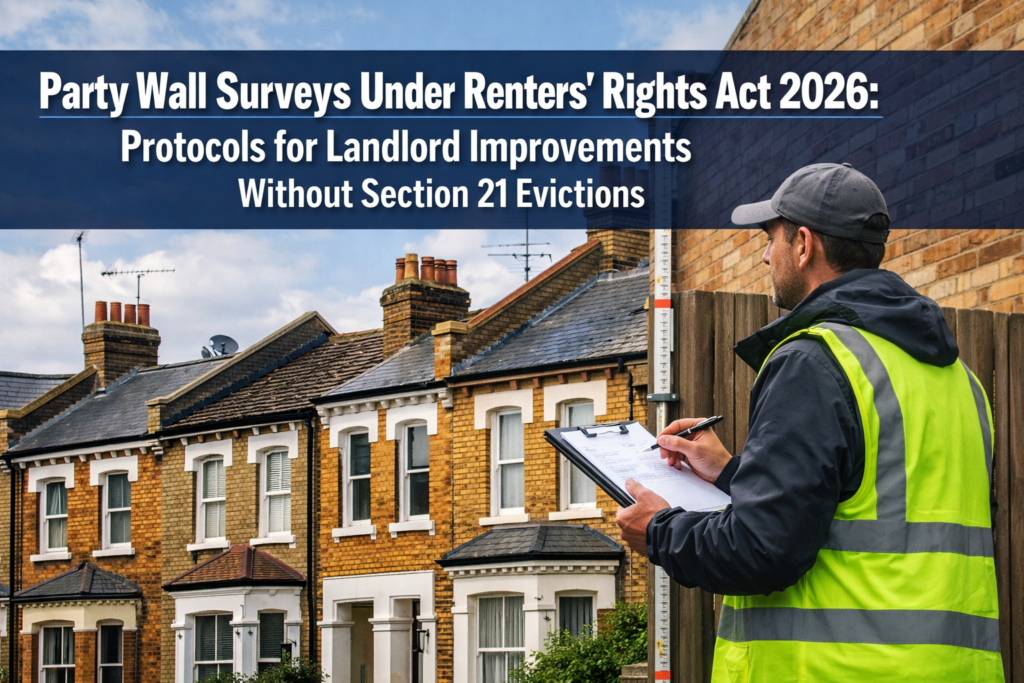
Celebration Wall Surface Agreements
That Pays For Celebration Wall Disputes? In realty, it matters due to the fact that it notes the physical division between buildings while still being a shared framework. Open up dialogue with your next-door neighbor about any kind of worries or future tasks that involve your shared walls can go a lengthy method in keeping an unified partnership. Make sure to abide by proper notice durations as specified in the party wall agreement. This allows your neighbor sufficient time to prepare for any type of modifications or fixings, reducing the chance of conflicts. The potential drawbacks of shared walls can be tough and need mindful factor to consider. Initially, upkeep duties often become a point of opinion. In this write-up, we describe what a celebration wall surface dispute is, how the law manages these scenarios and that is usually in charge of paying the prices. We additionally explain how to organize a cost-free 30-minute examination with an industrial property dispute lawyer if a conflict develops. In addition, alterations or renovations to common wall surfaces may demand mutual permission. The capacity to restore your unit is among the significant differences between condominiums and homes, however the shared consent required can still complicate potential tasks. If your renovation prepares face arguments from your neighbor, that can quickly delay your job. There are additionally circumstances you could find where repair work need cooperation with the bordering homeowner.
Can my neighbor tear down a celebration wall surface?
A neighbour can not demolish a collectively owned border wall without complying with the treatments laid out under the Party Wall etc. Act 1996. If the wall is a Celebration Fence Wall surface, notice must be served, and approval or a Party Wall Honor acquired.
This Federal Government Published Suggestions (Gpa) Is An Informative Guide To The Event Wall Etc Act 1996
If your next-door neighbor can't pay for prompt repair services or upkeep, it can bring about further damage and rise costs for everybody included. Alterations may be limited by developing codes and guidelines, complicating your capacity to personalize your space. Legal actions concerning party walls go back to at least 1813 and a decision of the English Court of Common Pleas in Matts v. Hawkins, 5 Taunton 20 (1813 ). Ten years before the conflict reached court, Hawkins demolished his building, leaving the party wall standing. Later on Matts, whose building still stood, dispute assessor started to extend the party wall upward to support a floor that Matts was including in his building.- This record should describe each celebration's civil liberties and upkeep responsibilities worrying shared walls, aiding to decrease disputes.
- Open up discussion with your next-door neighbor concerning any kind of concerns or future tasks that involve your shared walls can go a long method in preserving a harmonious relationship.
- One of the standout pros of a shared or splitting wall surface is the cost-sharing element.
Proprietor Duties With Celebration Wall Surfaces
A celebration wall surface is a common wall surface shared between proprietors of adjacent residential or commercial properties. Examples of this consist of semi-detached condominiums, adjacent condominium systems or duplexes. One of the standout pros of a common or splitting wall surface is the cost-sharing element. When maintenance or repairs are needed, you and your next-door neighbor can split the expenses, reducing your financial burden. This cost-sharing is commonly directed by a composed party wall surface contract, which describes each party's obligations and aids protect against disputes. Party wall agreements commonly include details on boundary wall how expenses for maintenance or repair services are shared.Who Typically Pays For Event Wall Disagreement Costs?
Enter call with a Celebration Wall surface Land surveyor and inform them of your circumstance. The Land surveyor consequently will certainly offer your neighbor a Notification, thus starting the process. This essentially indicates that you want to select your own property surveyor instead of the surveyor your neighbor(s) is using.